
Summary: Automated investment reporting is hard to scale because the underlying data is fragmented across custodians, personalization requirements multiply with every new client segment, and regulatory formats shift by jurisdiction and mandate type. Reporting engines built for one custodian, one regulator, or one report template break the moment a wealth manager tries to serve more clients across more relationships.
A wealth manager can build a beautiful client report once. Building the same quality of report, correctly, for ten thousand clients holding assets across a dozen custodians, three jurisdictions, and both advisory and self-directed mandates is a different problem entirely. Most firms discover this the hard way: reporting projects that work well in a pilot start breaking down as soon as volume, account complexity, or client segments increase. So how can they scale investment reporting without losing control? This article takes a look at the core of the issue, explains how it can be solved, and suggests actual solutions.
What Makes Automated Investment Reporting Hard to Scale?
Three structural issues repeat across the industry, regardless of firm size:
Fragmented, inconsistent source data. Client assets rarely sit with one custodian anymore.
Personalization that resists templating. Every client segment expects a report that feels built for them, not a shared PDF with their name on it.
Regulatory requirements that vary by market and mandate. A report acceptable under one regime is not automatically compliant under another.
Each of these compounds the others. Fixing data quality does not solve personalization, and solving personalization does not solve compliance. A reporting system has to hold all three at once, at volume.
Why Does Fragmented Custodian Data Break Automated Reporting?
Nearly a third of registered investment advisor firms now work with two or more custodians to support client choice and diversify relationships, according to a WealthManagement.com report cited by Terrapin Technologies, and each custodian tends to deliver files in a different format, on a different schedule, with a different level of completeness. When those files feed into a single client report, small formatting mismatches turn into reconciliation errors, and reconciliation errors turn into a compliance question the next time a client asks why two numbers do not match.
Flanks, a wealth data infrastructure provider, points to the same root cause: client portfolios are rarely held with a single institution, so every custodian, bank, or private market investment a client uses adds another data format to reconcile. Automated reporting cannot scale on top of that fragmentation. It first needs a layer that standardizes, reconciles, and validates the data before a single report is generated.
Why Is Personalization Difficult to Automate at Scale?
Clients increasingly expect the same tailored, real-time experience from their wealth manager that they get from any other digital service. Serving that expectation for a handful of high-touch clients is straightforward. Serving it for tens of thousands of accounts, each with a different mandate, risk profile, and reporting cadence, requires the reporting engine to generate genuinely different narratives and visualizations, not just swap a logo and a name into a fixed template.
Most legacy reporting stacks were not built for that. They were built to produce one report format well, and every additional variation was handled with manual overrides. Manual overrides do not scale; they multiply operational risk with every new client segment added.
How Do Regulatory Requirements Complicate Reporting Automation?
Compliance costs in wealth and asset management tend to rise in step with the business itself, and EY points out that relying on outdated tools to monitor today's portfolios is costly, slow, and often ineffective, as investor demand for customized investment management agreements and more complex vehicle types keeps growing.
Separately, industry research from Funds Europe found that 61% of leaders report that responding to regulatory or market-driven change still requires considerable resources, even with automation in place. A reporting system built for MiFID disclosure requirements in one market will not automatically satisfy a different regulator's expectations elsewhere, and a system that ignores the distinction between advisory, discretionary, and self-directed mandates will misreport what each client actually needs to see.
How InvestSuite Helps Wealth Managers Bypass These Bottlenecks
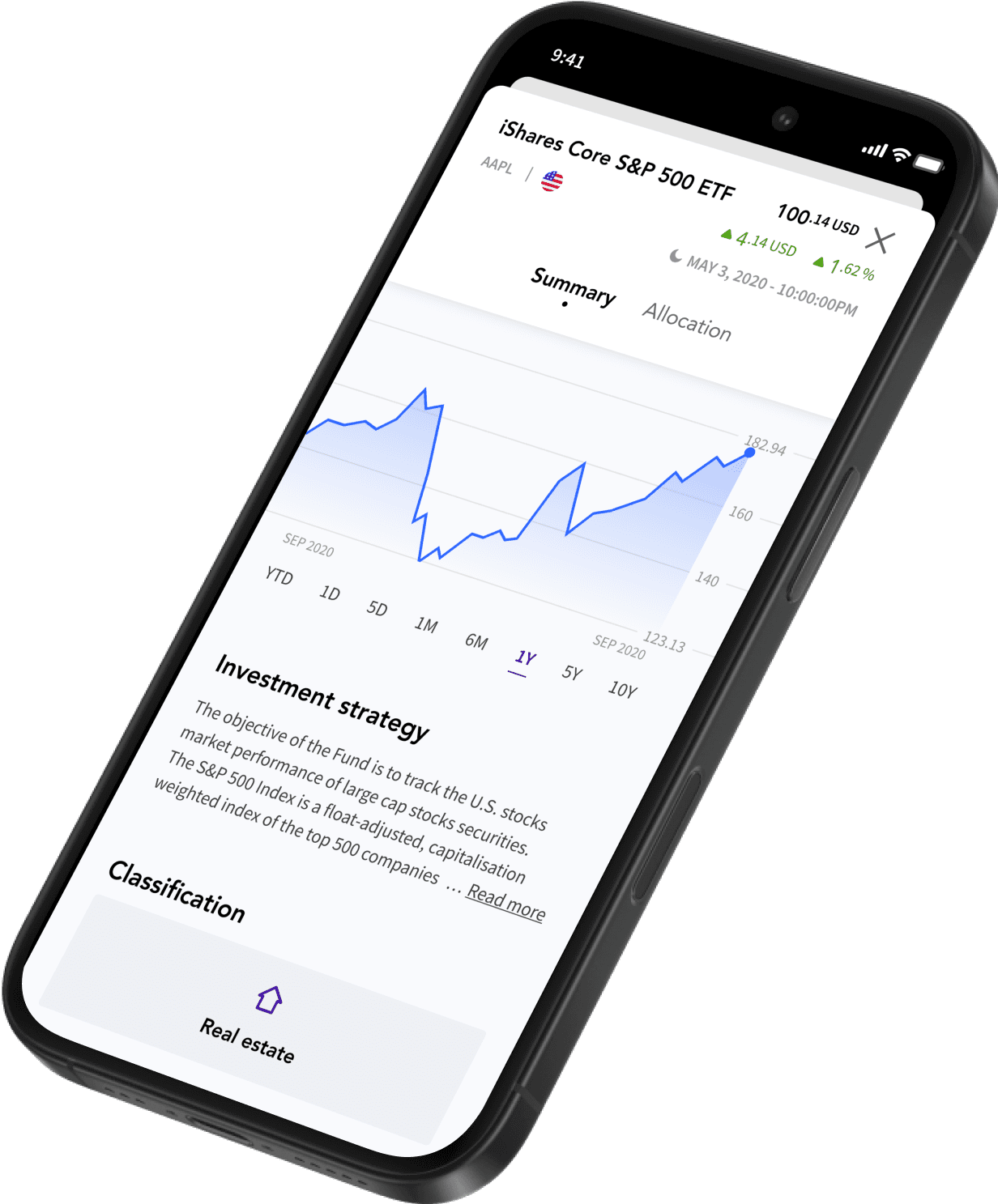
InvestSuite's StoryTeller was built to scale while serving clients in a hyper-personalized way. Instead of treating reporting as a static document generation step at the end of the pipeline, StoryTeller connects directly to the same portfolio construction and risk data that drives the rest of an institution's platform, so reports are generated from a single, reconciled source rather than stitched together after the fact.
Because InvestSuite is broker and custodian agnostic, financial institutions are not locked into a single data source to begin with. That removes a large share of the fragmentation problem before reporting even starts.
The result is a reporting layer that scales the way the rest of a digital wealth platform should: personalized to the client, consistent across custodians, and structured to fit the regulatory context of each market InvestSuite's clients operate in.
Traditional Reporting vs. an Automated and Scalable Approach
Challenge | Traditional Approach | Scalable Approach (InvestSuite) |
Multi-custodian data | Manual reconciliation per custodian, per report cycle | Broker/custodian-agnostic architecture with a single reconciled data source |
Personalization | Fixed templates with manual overrides for exceptions | Reports generated from live portfolio and risk data per client |
Risk communication | Inconsistent risk language across mandate types | iVaR provides one explainable, deterministic risk metric across segments |
Regulatory fit | Rebuilt or patched per market and mandate | Configurable reporting structured for advisory, discretionary, and self-directed mandates |
Looking into scaling automated investment reporting?
Reporting is often treated as the last step in a digital wealth platform, but it is usually the first place scale problems become visible to clients. Financial institutions that fix the data foundation and personalization architecture before volume forces the issue are the ones able to grow their client base without growing their reporting headcount at the same rate.
If your company is looking into implementing technologies that would allow you to rapidly scale automated investment reporting, InvestSuite is the place to be. Take a look at StoryTeller, check out the reports it can generate in a matter of minutes, and, if you like it, reach out! We would be happy to go into more detail.