
On August 14, 2026, Securityplus Federal Credit Union launched Securityplus Investments, a self-directed investing platform built into its digital banking app and powered by Eko Investments. It joins a wave of banks and credit unions racing into self-directed investing as the global market for it approaches $109 billion in 2026. But launching a self-directed platform and scaling one profitably are two different problems. Most institutions solve the first and stall on the second, because the real constraint on how banks scale self-directed investing platforms is not the technology stack. It is what happens the moment a client's portfolio drops and they have no advisor to call. This article examines why that support gap widens as self-directed platforms grow, what it costs banks that ignore it, and how forward-thinking institutions are closing it.
Why Scaling Self-Directed Investing Is Harder Than Launching It
Self-directed investing platform: A digital brokerage account where the client researches, selects, and executes their own trades, with the bank providing infrastructure and information but not personalized investment advice.
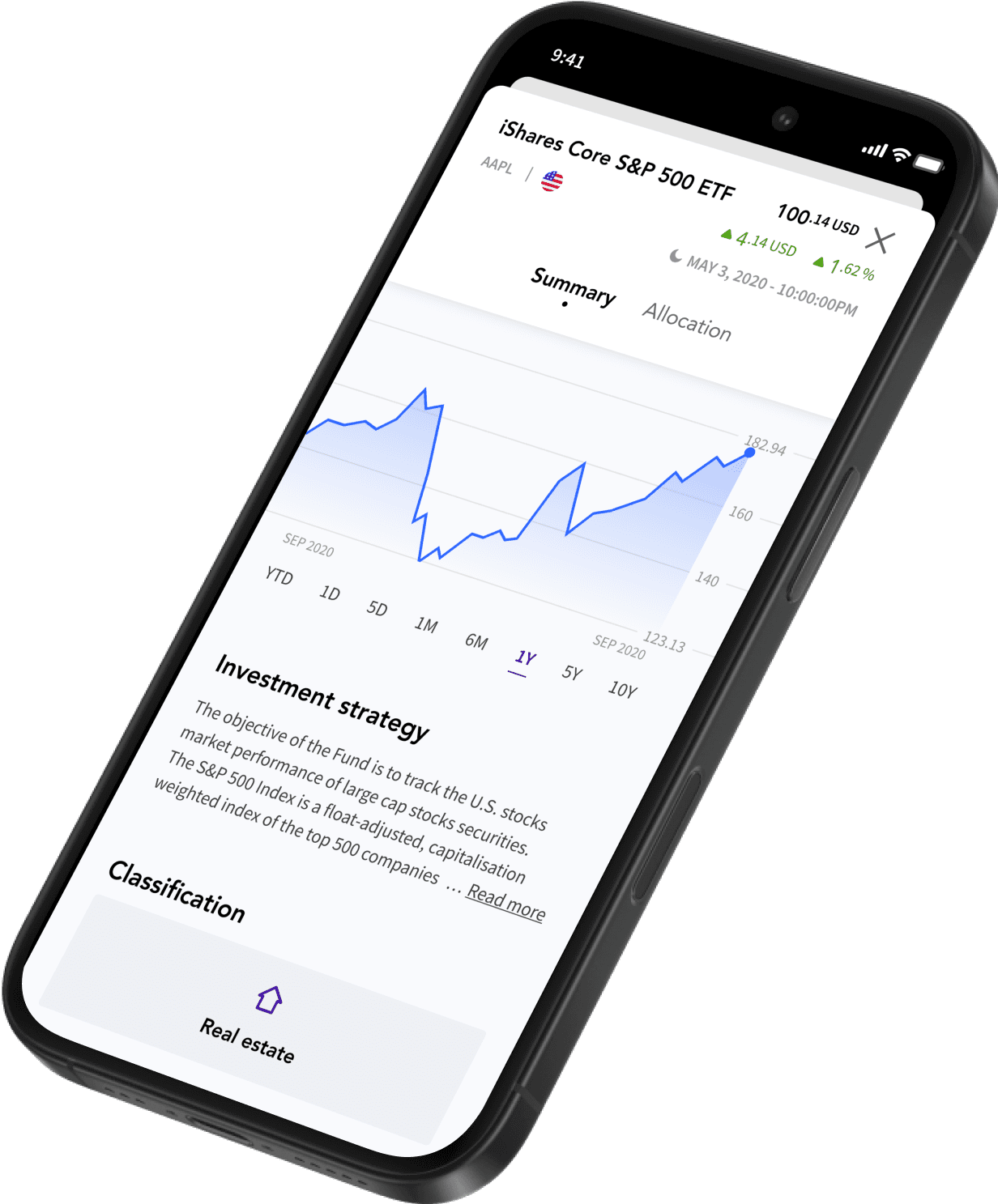
Securityplus is one of dozens of banks and credit unions launching self-directed investing this year, alongside institutions like U.S. Bancorp Advisors and fintech entrants such as Betterment expanding into the category. The rush makes sense: the global self-directed investors market is estimated at roughly $108.8 billion in 2026, and nearly 71% of retail investors now manage at least part of their portfolio independently through online platforms. For banks, the strategic logic is defensive as much as offensive. FNZ research notes the U.S. banking sector has consolidated from more than 14,000 institutions to fewer than 4,000, leaving regional banks and credit unions competing for the same self-directed clients as megabanks and fintechs, without megabank engineering budgets.
Launching the platform, however, is the easy half of the problem. Every institution above can stand up a branded self-directed app in months using white-label infrastructure. Few have solved what happens to their support organization once tens of thousands of self-directed clients are active at once.
What the Scaling Bottleneck Actually Costs Banks and Wealth Managers
Self-directed does not mean self-sufficient. Cerulli Associates research finds 55% of self-directed investors say it is important or somewhat important to be able to talk to a human specialist linked to their account, and 42% say they would pay for that access, yet just 39% have ever actually used it. That gap between demand and usage is not a sign self-directed investors do not need help. It is a sign the help is too hard to reach.
55% of self-directed investors want human specialist access. 42% would pay for it. Only 39% have ever used it. — Cerulli Associates, 2026
Every new self-directed client who wants that access adds a support ticket, and support tickets do not scale like software does. Industry benchmarking on customer support costs puts self-service resolutions around $15 per ticket versus roughly $45 for an agent-handled interaction, a gap that compounds quickly across a growing self-directed base, especially in a regulated context where agents must be trained on suitability and disclosure rules. Complaint patterns across several bank-operated self-directed platforms, tracked by review sites like NerdWallet and BrokerChooser, consistently cite slow support response times and account-handling frustration as top pain points. The pattern is structural: a bank can add self-directed accounts faster than it can add compliant, portfolio-literate support staff to answer questions about them.
How Forward-Thinking Banks Are Closing the Scaling Gap
White-label infrastructure like the one accessible through Self Investor solves the first half of the scaling problem: banks no longer need 18 to 24 months and a large internal engineering team to launch a branded self-directed experience, and can extend into goal-based investing through Robo Advisor for clients who want more structure without full advisory. But infrastructure alone does not answer the "who do I call" question that drives the support gap above.
That is the specific problem is built to close. Charlie sits on top of a bank's self-directed platform and answers the questions that would otherwise become support tickets, such as why a portfolio moved, what a position is worth, or how concentrated a client's holdings are, using figures calculated deterministically from that client's actual portfolio rather than estimated by a model. It does not provide investment advice; it provides the same clarity a human specialist would, without every new client adding headcount to a support queue. For a bank trying to scale self-directed investing without scaling its support costs in lockstep, that is the gap Charlie is designed to close.
Scaling Self-Directed Investing Is a Support Problem Before It Is a Technology Problem
Securityplus's launch is one data point in a much larger rush of banks and credit unions into self-directed investing, and most of them will clear the technology hurdle without much trouble. The ones that struggle to scale will be the ones that treated the support gap as an afterthought rather than the actual constraint. Closing that gap, not just shipping the app, is what determines whether self-directed clients stay long enough to become profitable ones.
If you are evaluating how to scale self-directed investing without scaling support costs at the same rate, reach out! We would be glad to talk through what InvestSuite's investing solutions and Charlie can do for your team.