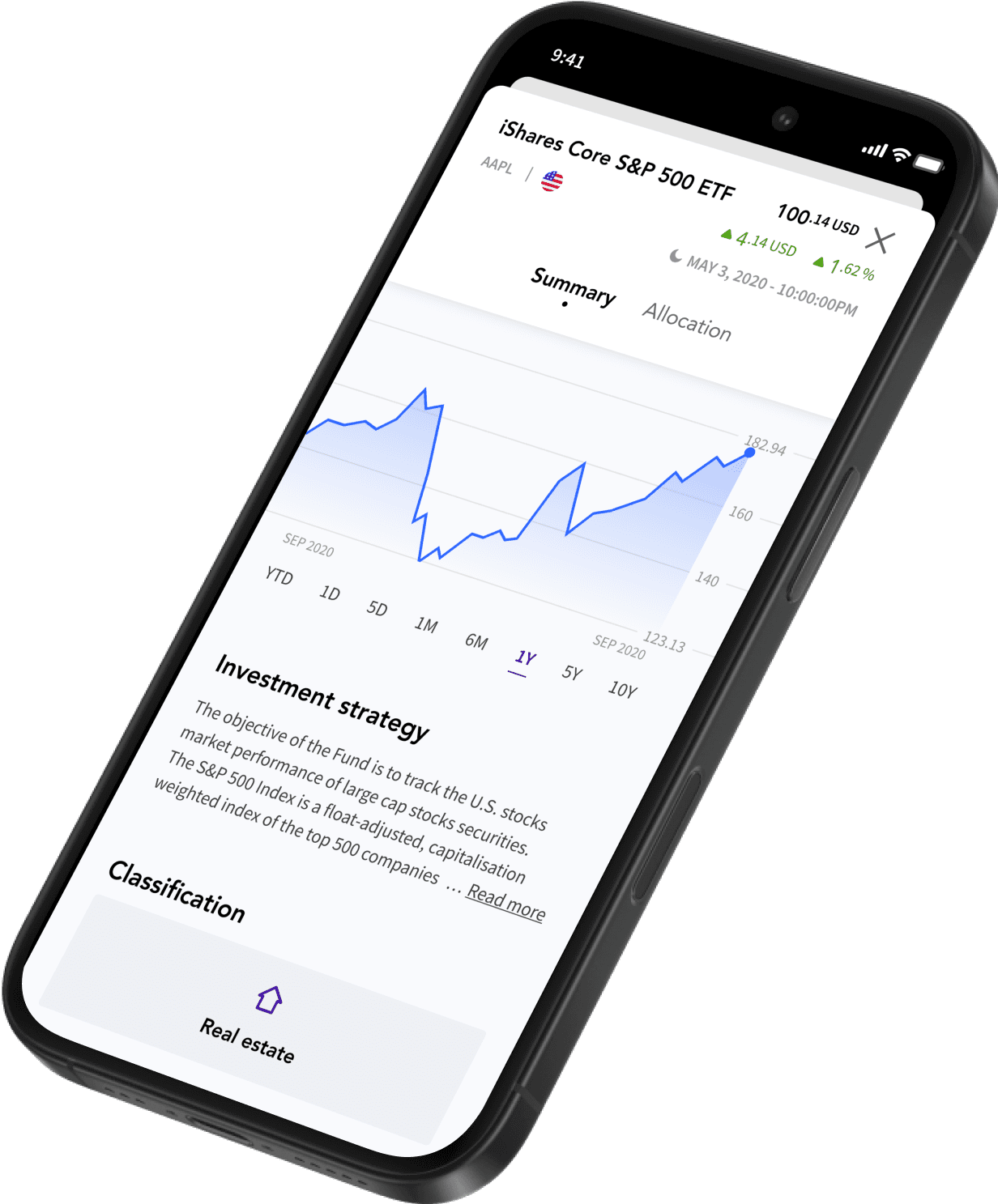

Regional and commercial banks face a clear strategic challenge: how to scale self-directed investing platforms without disrupting existing operations or overwhelming internal resources. The demand for digital investing keeps growing, but legacy systems and fragmented infrastructure make expansion difficult. InvestSuite helps banks deploy white-label investing solutions that connect to existing broker and custodian relationships, enabling growth on your own terms.
This guide breaks down the specific barriers banks encounter when scaling digital wealth offerings. You will learn why traditional approaches fall short, what modern digital wealth infrastructure makes possible, and how to evaluate whether your current platform can support future growth.
Key Takeaways: How to Scale Self-Directed Investing in Banking
Self-directed investing platforms require modular architecture that integrates with existing core banking systems and broker relationships.
Regional banks can reduce platform costs by more than 40% through white-label solutions compared to building in-house.
The $124 trillion generational wealth transfer creates urgency for banks to capture younger investors before they establish relationships elsewhere.
InvestSuite Self Investor enables banks to launch fully branded investing experiences in as little as three months.
Hybrid models that combine self-directed tools with advisor access serve multiple client segments from a single platform.
What Is Self-Directed Investing and Why Do Banks Need It?
Self-directed investing allows customers to manage their own portfolios without relying on a financial advisor for each decision. These investors research their own trades, select their own assets, and execute orders independently through digital platforms.
Banks need self-directed capabilities for three reasons. First, younger clients expect digital-first investing experiences. Second, fee-based revenue from advisory services alone cannot sustain growth. Third, customers who invest through your platform become stickier and more profitable over time.
The alternative is watching your deposit customers open brokerage accounts elsewhere. Once they build portfolios at a competing platform, bringing them back becomes far more expensive than keeping them engaged from the start.
Why Do Regional Banks Face Unique Scaling Challenges?
Regional and commercial banks operate under constraints that larger institutions and fintech startups do not share. Your core banking systems may be decades old. Your IT teams already have full workloads. Your compliance and risk functions require extensive review cycles for any new product launch.
According to FNZ research, the U.S. banking sector has contracted from more than 14,000 institutions to fewer than 4,000. This consolidation pressure means regional banks must find ways to deliver competitive digital experiences without the engineering resources of megabanks.
Building an investing platform from scratch typically requires 18 to 24 months of development time. Most regional banks cannot wait that long while competitors capture the next generation of investors.
What Technology Gaps Prevent Platform Scaling?
The most common gaps fall into three categories: integration complexity, data silos, and front-end limitations. Your core systems may not communicate effectively with external broker APIs. Customer data sits in separate databases that do not share information automatically.
Legacy front-end applications often cannot support the real-time portfolio updates that modern investors expect. Mobile experiences feel outdated compared to fintech apps your customers use daily.
These gaps compound over time. Each workaround adds technical debt. Each manual process slows your ability to respond to market changes or customer requests. The cumulative effect is a platform that becomes harder to maintain and nearly impossible to scale efficiently.
How Does Modern Digital Wealth Infrastructure Solve These Problems?
Modern infrastructure takes a modular approach. Instead of replacing your entire technology stack, you add capabilities through APIs and SDKs that connect to your existing systems. This approach preserves your current investments while adding the specific functions you need.
InvestSuite Self Investor connects directly to your existing brokers and custodians while working within your current IT and compliance framework. You maintain full ownership of client relationships and licenses while InvestSuite handles the technology, user experience, and ongoing updates.
Cloud-native architecture means you pay for what you use and scale capacity as demand grows. You avoid the capital expense of building server infrastructure that may sit underutilized during slower periods.
What Should Banks Look for in a White-Label Platform?
Start with integration capabilities. The platform must connect to your existing broker and custodian relationships without forcing you to change providers. It should support your current compliance workflows rather than requiring you to build new ones.
Evaluate the deployment options. Can you launch a standalone app under your brand? Can you embed the investing experience into your existing mobile banking application? Both options should be available so you can choose the approach that fits your strategy.
Look for proven implementation timelines. InvestSuite has a validated track record of three-month go-live deployments. Longer timelines mean more risk that market conditions or competitive dynamics will change before you launch.
How Can Banks Reduce Time-to-Market for Investing Platforms?
The fastest path is partnering with a platform provider rather than building internally. In-house development requires hiring specialized talent, managing complex vendor relationships, and coordinating across multiple internal teams.
Pre-built modules accelerate deployment because they have already been tested in production environments. InvestSuite solutions have been deployed at licensed institutions across Europe, the USA, and the Middle East. The implementation playbooks mirror typical compliance and risk review processes.
Start with a defined scope. Launch basic capabilities first, then expand features based on actual customer usage patterns. Trying to build everything at once extends timelines and increases the risk that requirements will change during development.
What Role Does Robo-Advisory Play in Scaling Strategies?
Robo-advisory fills the gap between fully self-directed investing and traditional advisory relationships. Some customers want guidance on portfolio construction without scheduling regular meetings with an advisor. Others prefer automated rebalancing so their portfolios stay aligned with their goals.
InvestSuite Robo Advisor enables banks to launch goal-based automated investing in three to six months. The platform creates personalized portfolios based on each investor's risk profile and financial objectives, then rebalances automatically to maintain target allocations.
Combining self-directed and robo-advisory capabilities lets you serve multiple segments from a single platform. High-engagement investors manage their own portfolios. Hands-off investors benefit from automated management. Hybrid users mix both approaches depending on the asset class or account type.
How Do You Measure Success When Scaling Investing Platforms?
Track metrics beyond account openings. Customer acquisition cost matters, but lifetime value matters more. Research from Swaystack found that customer acquisition costs for retail banks average around $561 per customer, while investment banks reach $882 per new client.
Measure activation rates within the first 30, 60, and 90 days. Accounts that become active quickly tend to generate higher long-term value. Accounts that sit dormant often represent wasted acquisition spend.
Monitor cross-sell success. Are investing customers adding other products? Are they consolidating more of their financial relationships with your institution? These indicators reveal whether your platform creates genuine engagement or simply opens accounts that go unused.
What Compliance Considerations Apply to Self-Directed Platforms?
Self-directed investing shifts certain responsibilities to the customer, but banks retain obligations around suitability, disclosure, and investor protection. Your platform must collect appropriate information during onboarding to assess whether customers understand the risks they are taking.
Documentation requirements vary by jurisdiction. European regulations emphasize know-your-customer processes and appropriateness assessments. U.S. regulations focus on disclosure and fiduciary considerations depending on the account type.
White-label platforms should support your existing compliance workflows. InvestSuite implementation playbooks address policies, change control, audit trails, and model documentation based on typical supervisory expectations. You remain responsible for final compliance determinations, but the platform should make those determinations easier to reach and document.
How Should Banks Approach the Generational Wealth Transfer?
Research from Cerulli Associates projects $124 trillion will transfer to younger generations over the coming decade. Capgemini research indicates 81% of next-generation high-net-worth investors plan to switch wealth managers within one to two years of inheriting.
This data reveals both risk and opportunity. If you rely solely on existing relationships with older clients, those assets may leave when inheritance occurs. If you build relationships with younger family members now, you position your institution to retain assets across generations.
Younger investors prefer mobile-first experiences with real-time data. They compare your platform to every digital experience they encounter, not just other banks. Meeting their expectations requires modern technology that delivers speed, transparency, and intuitive design.
What Integration Approach Works for Regional Banks?
Most regional banks benefit from a hybrid integration strategy. You keep your core banking ledger and primary systems of record intact. You add investing capabilities through APIs and SDKs that sit on top of existing infrastructure.
This approach reduces risk because you are not replacing systems that already work. It reduces cost because you avoid extensive data migration projects. It reduces time-to-market because you build on proven technology rather than starting from scratch.
InvestSuite supports all major cloud providers and connects to ready-to-use brokers and custodians. The platform can deploy as a standalone app or embed within your existing mobile banking application through SDK integration. Both paths preserve your brand identity and customer relationships.
How Do You Build the Business Case for Platform Investment?
Start with revenue projections. Estimate the fee income from assets under management and transaction activity. Compare this to the cost of customer attrition if you do not offer competitive investing options.
Factor in operational efficiency. InvestSuite customers have reduced platform costs by more than 40% compared to in-house development. Lower ongoing maintenance costs improve return on investment over the platform lifetime.
Consider strategic positioning. Banks that launch digital investing first in their markets gain competitive advantages that late entrants cannot easily replicate. Early movers build customer relationships and brand recognition that persist even after competitors enter.
What Are Common Implementation Mistakes to Avoid?
Overscoping the initial launch delays time-to-market and increases risk. Define a minimum viable product that addresses your most important customer segment first. Add features incrementally based on actual usage data rather than assumed requirements.
Underestimating change management creates adoption problems. Your relationship managers and branch staff need training on how the new platform works. Your marketing team needs content that explains the value proposition to customers. Your support team needs processes for handling questions and issues.
Ignoring mobile experience frustrates customers. Your platform may work perfectly on desktop browsers, but most customers will access their portfolios from smartphones. Test thoroughly on mobile devices and prioritize responsive design from the start.
How Do Successful Banks Approach Platform Scaling?
Successful banks treat digital investing as a strategic priority rather than a technology project. Executive sponsorship ensures adequate resources and removes organizational barriers. Clear ownership prevents confusion about decision rights and accountability.
They start with customer needs rather than internal capabilities. What do your target customers actually want from an investing platform? What problems are they trying to solve? Answers to these questions should drive feature prioritization.
They measure outcomes and iterate continuously. No platform launches perfectly. Successful banks track metrics, gather customer feedback, and improve the experience over time. This iterative approach builds platforms that actually serve customer needs rather than internal assumptions.
In Conclusion: Building a Scalable Digital Investing Future
Scaling self-directed investing platforms requires regional and commercial banks to overcome technology gaps, resource constraints, and time-to-market pressures. Modern digital wealth infrastructure makes this possible through modular architecture, cloud-native deployment, and pre-built integrations with existing systems.
The generational wealth transfer creates urgency. Younger investors establish their primary financial relationships now. Banks that offer compelling digital investing experiences will capture these relationships. Banks that wait risk losing both current assets and future growth.
InvestSuite helps banks navigate this challenge with white-label solutions that deploy in months rather than years. Self Investor and Robo Advisor enable you to serve self-directed, hybrid, and automated investing segments from a single platform while maintaining control over client relationships and brand identity.